Posts

Showing posts with the label chc2d

Battle in a Sandbox

Image
Do you or your colleagues ever get "stuck in the trenches?" I have heard this expression in many Ontario schools where we teach the grade 10 course: Canada from 1914 to the Present. It refers to when you have gone into too much detail on the First World War, and find yourself with a wildly disproportionate lack of time to cover the other 96 years of history in the course! My brilliant colleague, Sue Pannell-Barrett introduced me a decade ago to a much more fun way of getting stuck in the trenches, while actually getting out of them time-wise in your course. I haven't looked back since!           Second Battle of Ypres, 1915 Could be any WWI battle! The genius of this activity, is that it is totally inquiry-based, students are practicing historical thinking (primary source evidence and significance), collaboration and organization skills, while having A LOT of fun playing in the sand. Attendance is never better than on sandbox day, and students consistently ...
The Value of a Good History textbook

Image
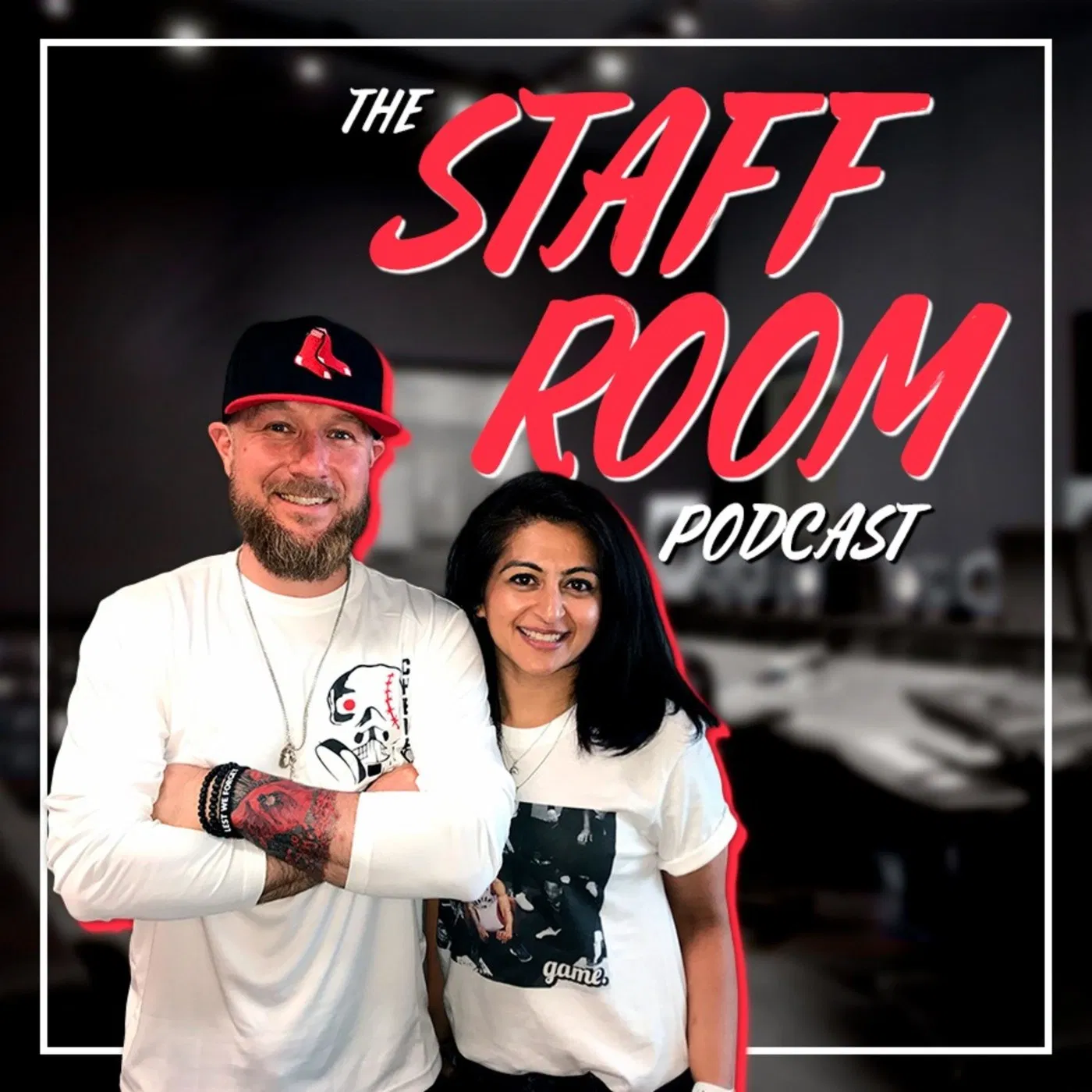
I just listened to the Textbooks episode of The Staff Room , a podcast by two Ontario middle school teachers. Seriously, check it out, it is worth a half-hour of your time! I love that Pav and Chey get into some real talk about textbooks! They hit the nail on the head when they say that "textbook" has become a bit of a bad word; that you're not a good teacher if you're still using a textbook. There are whole educational movements encouraging teachers to stop using textbooks, and you can get some glares if you try to defend them. I think they really got the reality of it right, though. A textbook is only one tool in the teacher's toolkit. We are well-educated, smart people who can use a number of tools at our disposal to launch inquiries, to lay the foundations and to inspire learning. A textbook can be one of those tools, and need not be discarded like the proverbial baby with the bathwater. They explained how textbooks can have really well-constructed lesson...

Interview as Exam: Part 4 - Assessment Tools

Image
This is the fourth post in a series on the Interview as Exam. The first outlines why we did it: the causes and consequences for me and my students of doing this kind of assessment. The second explains the first kind of interview we started with in our history department. The third explains how and why we simplified the interview and supported the learning all the way through the course. This post is about assessing the interview. Warning: Learning in Progress! Whenever people ask to see my rubrics or assessment tools for the interview, I have an internal cringe. It's not that I don't like to share ( see my teaching wiki  or Twitter ! ) it's that the formal assessment process was really still in process when I left the classroom to work as an instructional coach in 2015. A lot of the initial assessment was kind of "loose." Things did get tightened up over the years, but I've learned a lot in the past few years that I would now apply a little differently...

Interview as Exam: Part 3 - Complex Simplicity

Image
This is the third post in a series on the Interview as Exam. The first outlines why we did it: the causes and consequences for me and my students of doing this kind of assessment. The second explains the first kind of interview we started with in our history department. This post explains how and why we simplified the interview, and supported the learning all the way through the course. Part 4 is about assessing the interview. I started to work with students earlier on in the course to build the skills that they weren't yet demonstrating in the interview. Even though my room was full of colourful  historical thinking posters , and we referred to them often, and students were DOING inquiry regularly, they couldn't, at the end of the course, identify WHEN they had used these processes and what they had learned in the process. I put together a scaffold ( My Skills Inventory ), and made sure that we spent time in class  in between  the units reflecting, and putting dow...

Interview as Exam: Part 1 - Why do it?

Image
This is the first post in a series on the Interview as Exam. This post outlines the causes and consequences for me and my students of doing this kind of assessment. The second explains the first kind of interview we started with in our history department. The third explains how and why we simplified the interview, and supported the learning all the way through the course. Part 4 is about assessing the interview. "The primary purpose of assessment and evaluation is to improve student learning."   Growing Success , Ontario Ministry of Education, 2010. In the past few months, I've had a few requests to share some of my experience (and resources) for doing interviews as final evaluations. After having written several lengthy emails, I thought it would be more efficient to write a blog post about the topic. I did write about my experience in the May 2012 issue of Rapport ( OHASSTA's newsletter), but I have had so much more experience and thinking about this that I...